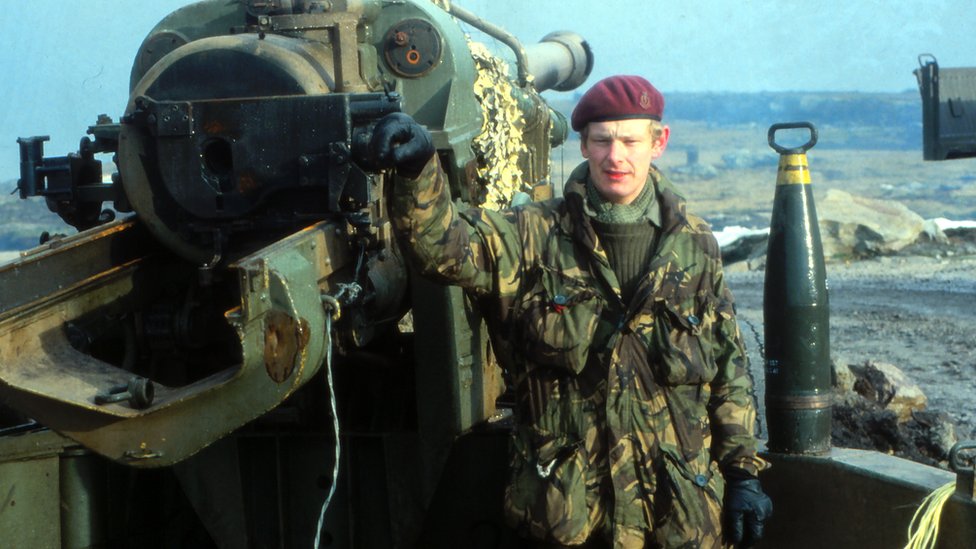
RAMC Falklands War Medical Care: When Silence Finally Fell Over the South Atlantic
On 14 June 1982, Argentine forces surrendered in Port Stanley. After 74 days of intense conflict in the South Atlantic, Operation Corporate was over. For the soldiers, sailors, and airmen who had fought thousands of miles from home, the silence must have felt almost surreal.
But for the men and women of the Royal Army Medical Corps, the work did not stop. RAMC Falklands War medical care had been tested to its absolute limits, and the record left behind stands as one of the Corps’ proudest chapters.
Operation Corporate: The Medical Challenge
The Falkland Islands presented a unique and brutal set of challenges. Medical teams operated in freezing temperatures, across rugged terrain, and often under direct fire. Supply lines were long, evacuation options were limited, and the pace of combat left little margin for error.
Despite this, RAMC personnel maintained an exceptional standard of care throughout the campaign. They worked across multiple environments, including:
- Hospital ships anchored in the South Atlantic
- Field hospitals ashore near the beachhead
- Regimental Aid Posts forward on the battlefield itself
Each setting demanded a different skill set. Together, they formed a chain of care that gave casualties the best possible chance of survival.
The Bombing of Sir Galahad: A Test of Courage
On 8 June 1982, Argentine aircraft attacked RFA Sir Galahad and RFA Sir Tristram at Bluff Cove. The attack killed 48 British servicemen and left many more with severe burns and blast injuries.
RAMC medics responded immediately. Furthermore, they did so while secondary explosions still threatened the vessels and the surrounding area. The speed and professionalism of their response undoubtedly saved lives that day.
The events at Bluff Cove remain one of the most testing moments for British military medicine in the post-war era. Consequently, they are remembered not only for the tragedy of the losses, but for the courage of those who treated the wounded.
Treating Burns Casualties
Burns casualties present some of the most complex challenges in battlefield medicine. At Bluff Cove, medics had to stabilise patients with severe injuries in conditions far removed from a hospital setting.
Their ability to do so, under fire and in the field, reflected years of training and genuine professionalism.
Mount Longdon: Medical Support on the Mountain Slopes
The Battle of Mount Longdon began on 11 June 1982. It was one of the hardest fought engagements of the entire campaign, with 3 Para taking casualties in a brutal night assault against well-prepared Argentine positions.
RAMC teams worked alongside the assault troops, treating the wounded in the dark, on rocky ground, in sub-zero temperatures. Similarly, they moved forward under fire to reach men who could not be brought back to the Regimental Aid Post.
The commitment shown at Mount Longdon exemplified the RAMC’s core principle: get to the casualty, stabilise them, and give them a chance.
Treating All Casualties With Equal Care
One of the most significant aspects of RAMC Falklands War medical care was the treatment of Argentine casualties alongside British ones. This was not simply a matter of procedure. It reflected a genuine professional and ethical commitment.
RAMC personnel treated enemy wounded with the same dedication as their own. Additionally, this approach earned quiet recognition from Argentine medical staff and prisoners of war alike.
It is a principle that runs throughout the Corps’ history: the patient comes first, regardless of the uniform they wear.
The Hospital Ships: A Lifeline in the South Atlantic
Two ships served as the primary hospital facilities during the campaign: SS Uganda, converted to a hospital ship before the landings, and the ambulance ships Atlantic Causeway and British Avon.
SS Uganda was staffed by civilian medical staff working alongside RAMC personnel. Together, they received casualties evacuated from the battlefield and provided surgical and intensive care far from shore.
The hospital ship operation demonstrated what military and civilian medical teams could achieve when working alongside each other under pressure.
Casualty Figures and Survival Rates
The British forces suffered 255 killed and 775 wounded during the Falklands campaign. The survival rate among those who received treatment was notably high. Moreover, advances in battlefield medicine pioneered during Operation Corporate directly influenced British military medical doctrine for decades to come.
The Legacy of RAMC Service in the Falklands
The surrender on 14 June 1982 brought an end to the fighting. However, it did not mark the end of the medical effort. RAMC teams continued to treat wounded personnel on both sides as the campaign wound down.
The lessons learned during the Falklands War shaped British military medicine in lasting ways:
- Forward surgical teams became a standard part of operational planning
- Helicopter casualty evacuation protocols were refined and strengthened
- Trauma care techniques developed in the field saved lives in later conflicts including the Gulf War and operations in Afghanistan
The RAMC’s role in the Falklands is therefore not only a story of individual courage. It is also a story of professional development that continues to benefit British service personnel to this day.
We Remember Those Who Served
Forty-three years on, we honour everyone who served during Operation Corporate. We remember those who gave their lives. And we recognise the contribution of every RAMC medic who worked through exhaustion, cold, and danger to keep their fellow soldiers alive.
Their service embodied the Corps motto: In Arduis Fidelis. Faithful in adversity.
If you served with the RAMC during the Falklands campaign and would like to share your story