Trekking the Himalayas: A Pharmacy Technician's Journey Through the Gurkha Welfare Centres
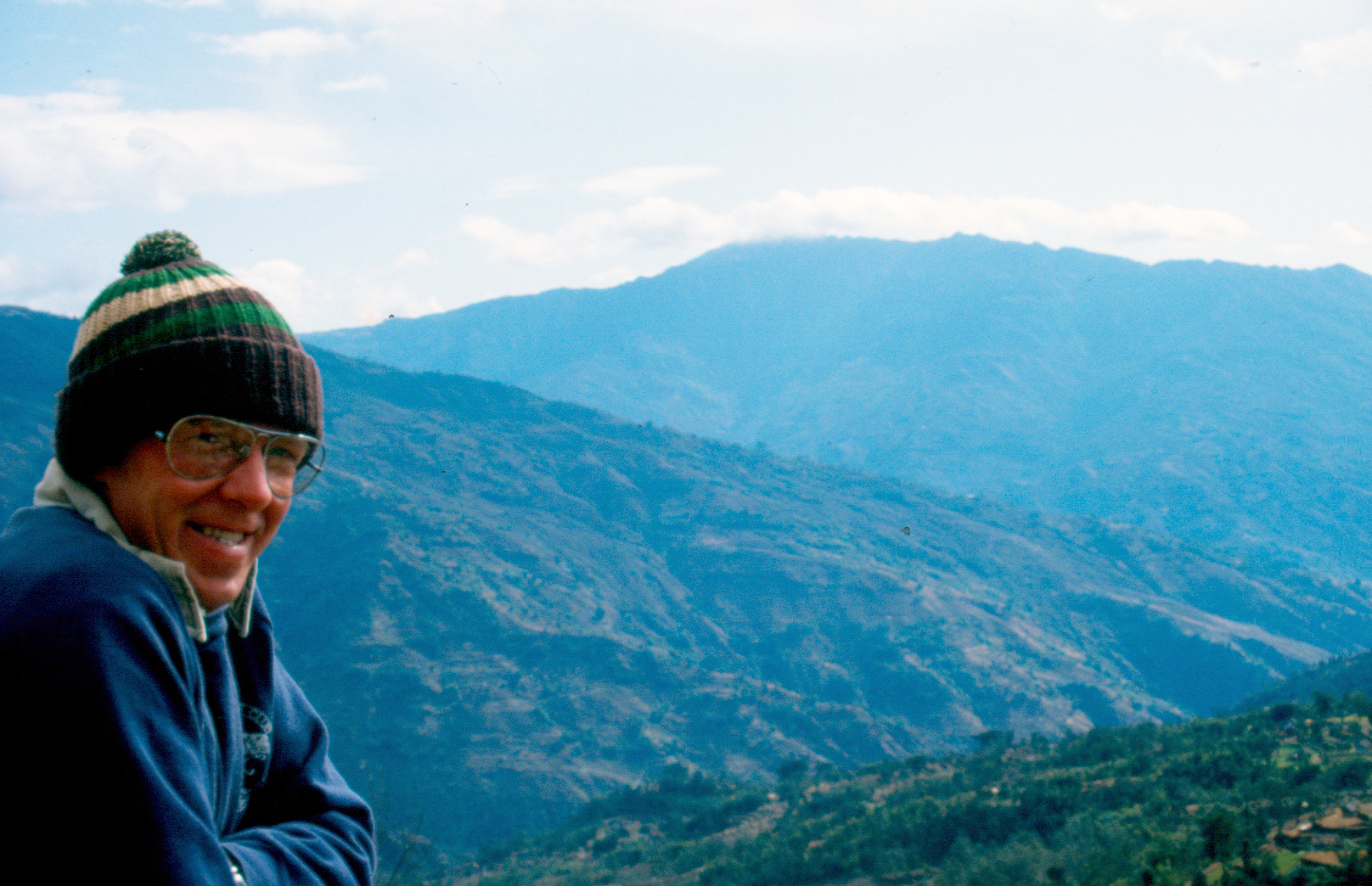
Trevor Mansell joined Keogh Barracks in May 1964 as part of squad 64/11, beginning a distinguished military career that would span over two decades and take him to some of the most remarkable postings in the world.
He trained at the Army School of Dispensing in Colchester, qualifying as a Class 1 Dispenser in 1966 and later as a Technical Storeman Class 1 in 1970. His postings took him across the globe, including Hong Kong, Singapore, Cyprus, Germany, and Nepal, where this story is set.
Postings included:
- 19 Coy Chester (1966-1968)
- BMH Hong Kong (1968-1969)
- BMH Singapore (1969-1970)
- RVH Netley (1970-1974)
- ANZUK Military Hospital Singapore (1974)
- BMH Dhekelia (1974-1975)
- RHH Woolwich (1975-1977)
- BMH Hannover (1977-1979)
- CMH Aldershot (1979-1981)
- BMH Dharan, Nepal (1981-1983)
- BMH Hannover (1983-1985)
- DMED Ludgershall (1985-1986)
Trevor retired in May 1986 at the rank of Warrant Officer Class II. He married in 1966 and was widowed in 2016.
A Golf Course Conversation That Changed Everything
Just after my Birthday on 21st January 1982, I was playing a round of golf with Major Richard Willis, the Gurkha welfare officer in the British Cantonment in Dharan, Eastern Nepal. He was charged with making sure the welfare centres functioned efficiently as regards to pension paying and medical treatment. During the trekking season which ran from October to May, there was always a “Duty Trekker” who toured around two or three of the centres to make inspections and report his findings to Richard. The welfare centres were funded by the Gurkha Welfare Trust of Canada; there were 22 of them in the foothills of the Himalayas.
During our round of golf Richard mentioned that one or two of the trekkers had said they had concerns about the medical supplies held by the centres, usually over-stocks of some items and shortages of others. Richard asked me if I could offer him some advice.
I was a S/Sgt working at the BMH Dharan as a Pharmacy Technician in charge of Medical Supply and Pharmacy, and I was in my second year in Nepal. I told him that without seeing the problem first hand I would be wary about trying to offer a solution. Richard had baited a trap and I walked right into it!
“I’m pleased you said that,” replied Richard, “I’m off on a two-week trek next Monday and you can come with me.”
I suggested I would have to clear it with Maj Peter Guy, my Commanding Officer.
“Too late,” Richard replied, “I’ve already spoken to him, and he is happy for you to accompany me.”
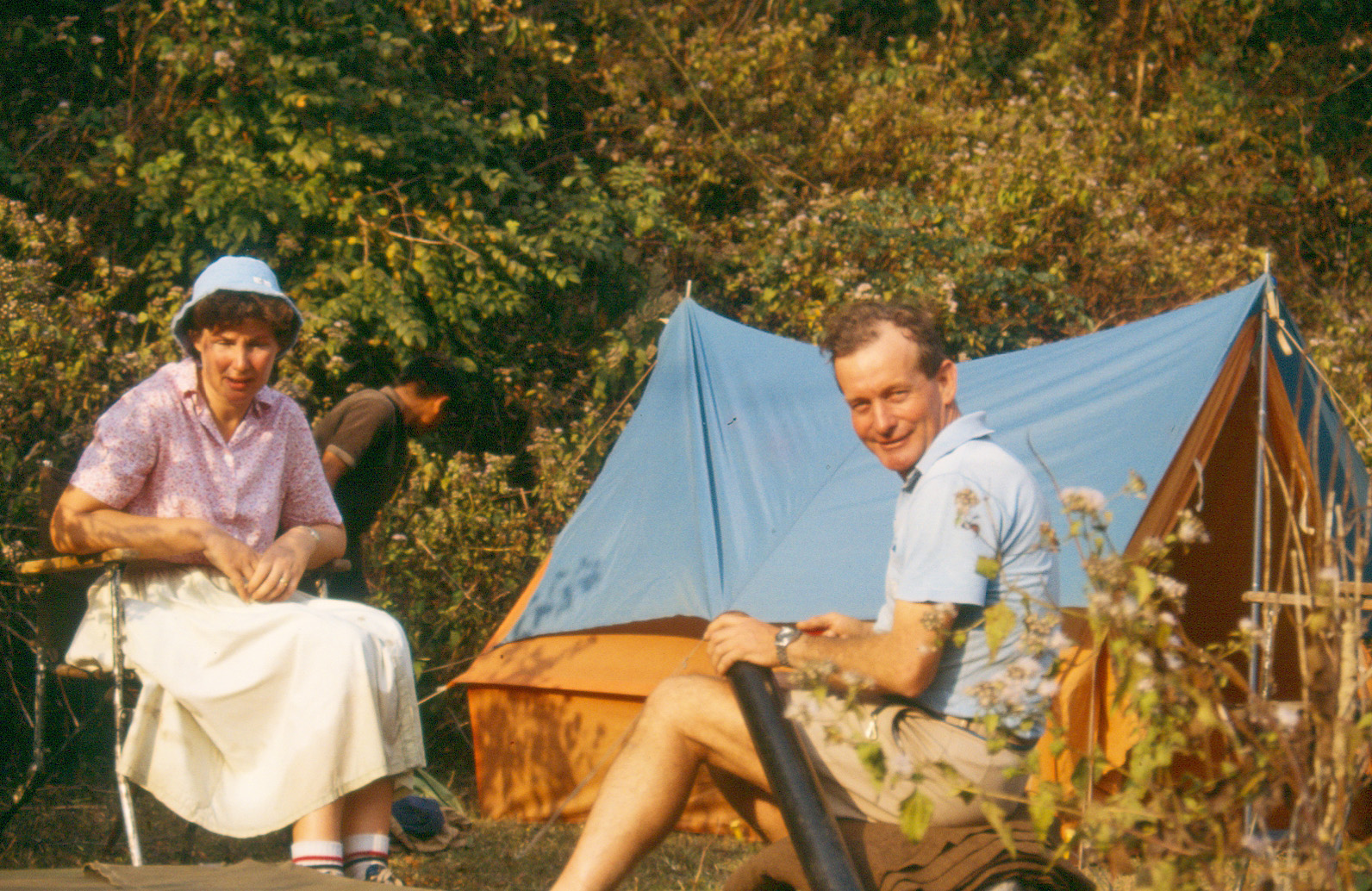
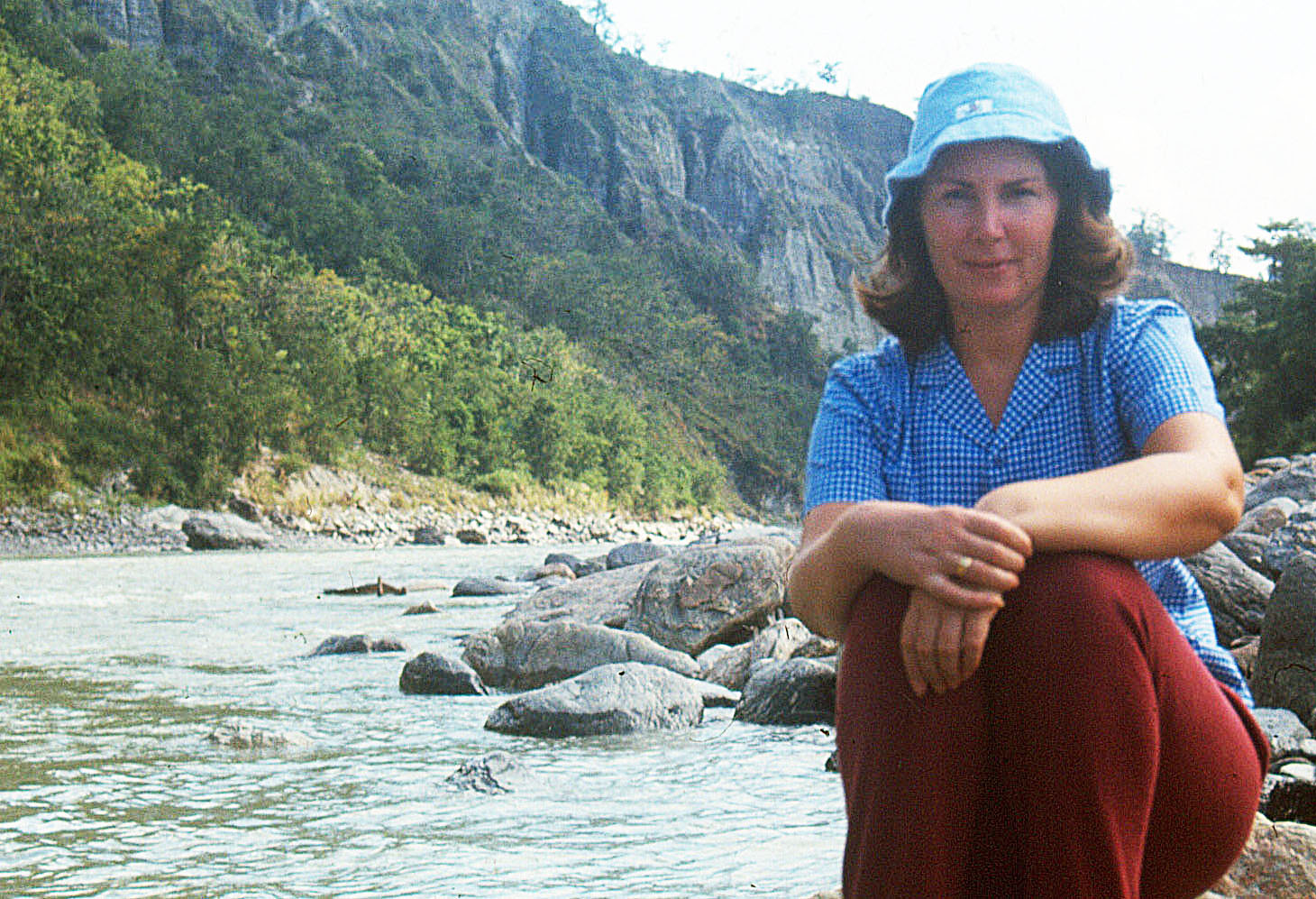
My next question was “Can Mo, my wife, come with us?”
“Of course, she can,” said Richard, “She would be most welcome.”
Preparing for the Trek
Over the next few days, with advice from Richard and Heather, his wife, we gathered together items of clothing we would need to take with us. Shorts and T shirts mainly, but a couple of warm sweaters and long trousers as we would be up in hills at over 11,000 feet in January where it would get cold in the evenings. We also obtained a few tins of army issue “Compo Rations” from the Ordnance depot, particularly a couple of tins of boiled sweets, oatmeal biscuits, along with loo paper and a can opener.
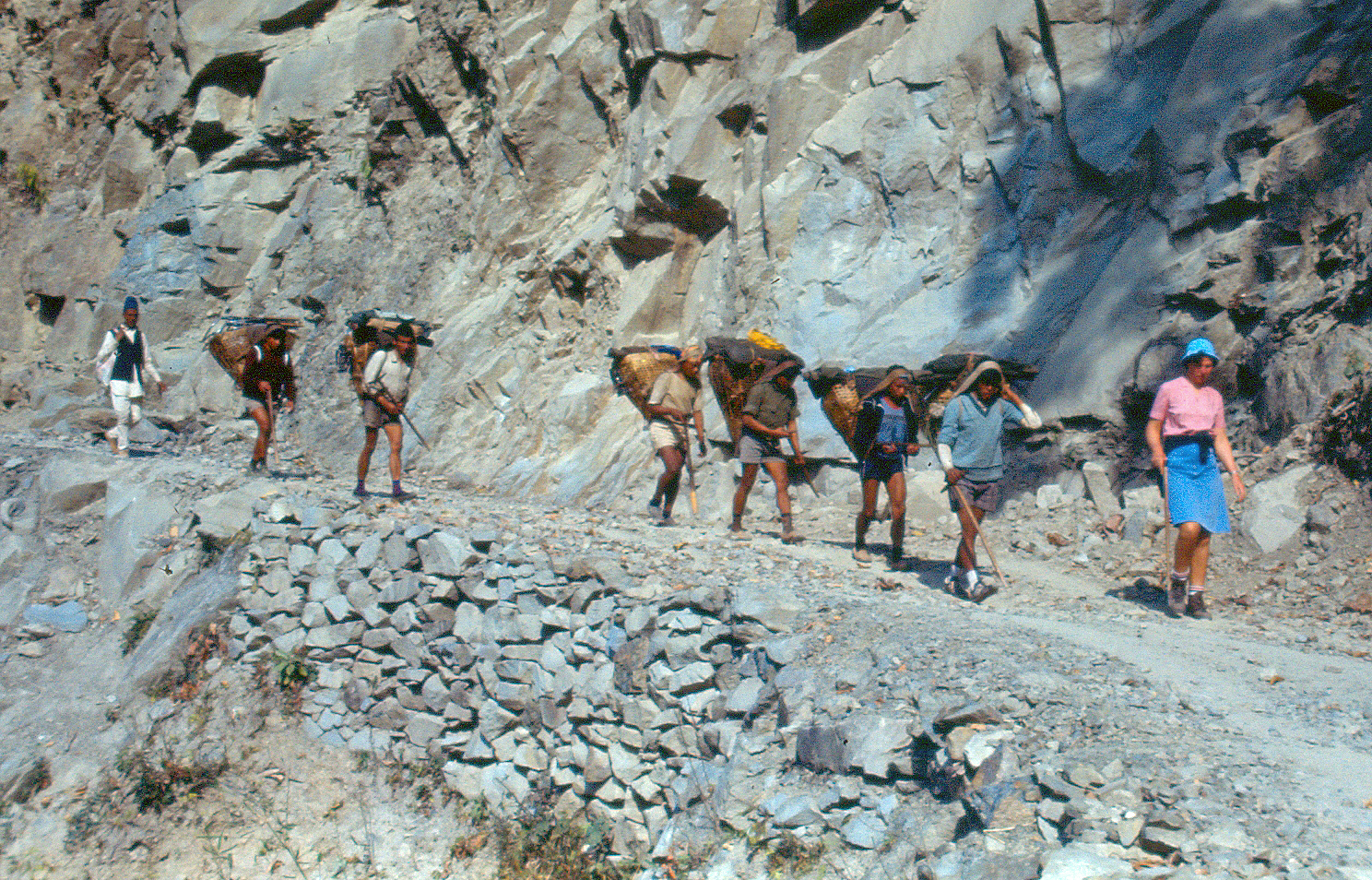
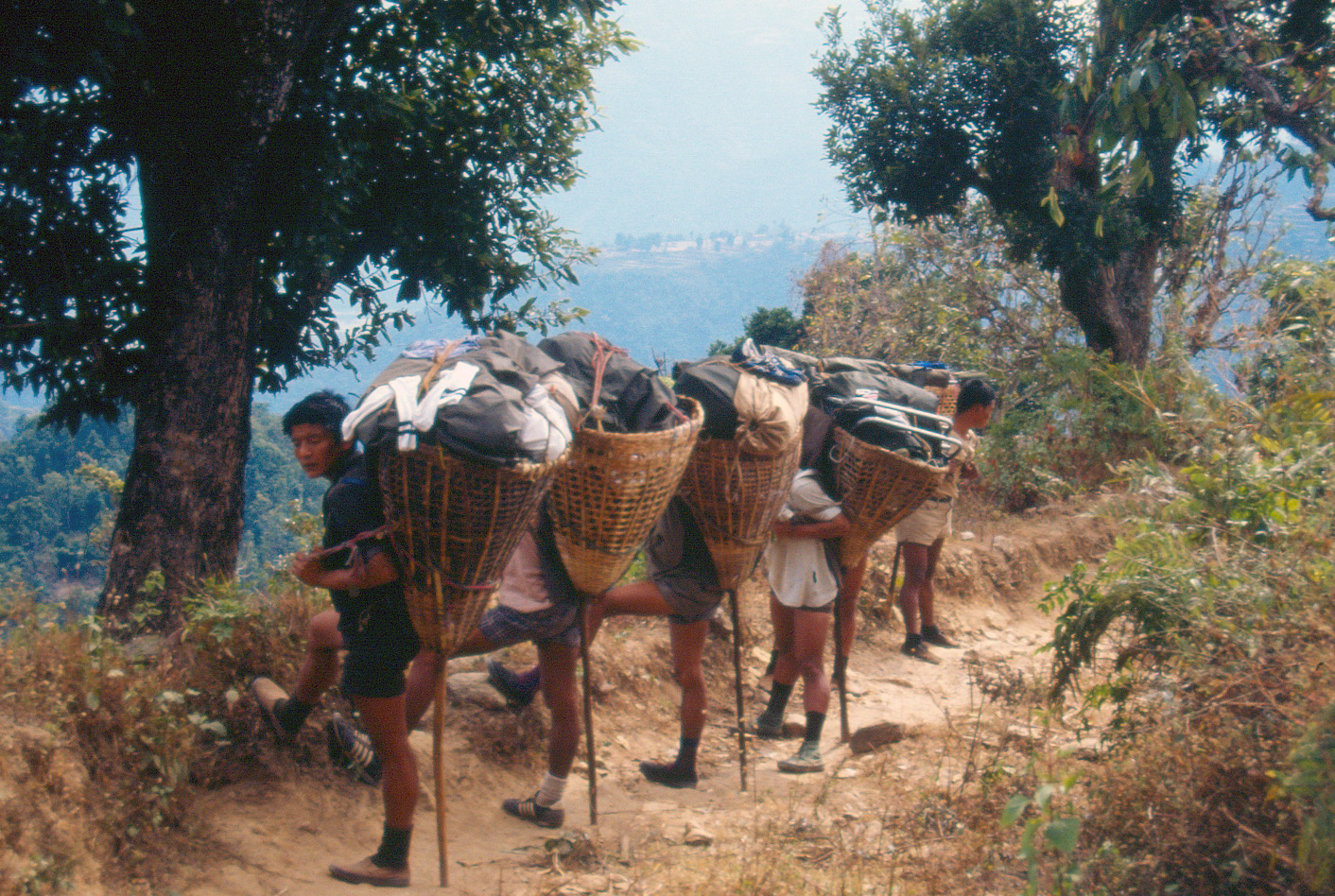
The day before we set out, we took all our stuff to Richard’s house to meet the six porters who would be coming with us. The head porter, or Sirdar, supervised the loading of the dokos, or carrying baskets, the porters would be using to hold our equipment and supplies during our 14-day trek.
Once he was happy with the loaded baskets, the Sirdar announced we would be ready to go early the next morning. I tried to lift one of the baskets and failed miserably. One of the baskets which would be carried by Ratni Chettri, the Sirdar, contained a length of plastic drainpipe, and I assumed this was for the water supply in one of the centres. I mentioned this to Richard and received a knowing wink, and he said this was a vital piece of trekking equipment.
Into the Foothills: The Trek Begins
As dawn was breaking the following morning, we left in a Land Rover with a trailer for the start of our trek. The Land Rover dropped us off some 40 miles from the cantonment at the end of a dirt track. Leaving the porters to unload the baskets from the vehicle we set off on what was to be a fantastic two weeks in the foothills of the Himalayas.
Our first stop was by the banks of a river, and that was where I found out the contents of the drainpipe. It was not a spare part for one of the welfare centres, but it contained a spinning rod which Richard assembled and headed off with one of the porters to the river’s edge. Almost at once he had a bite, and after a five-minute struggle he landed a 14-pound Mahseer.
The fish went back to the camp site much to the delight of the porters who would be cooking it for our supper. Fish curry, dhal and rice beside the campfire, under a brilliant star lit sky, nothing beats that. There was enough left over for breakfast the following morning.
Life on the Trail
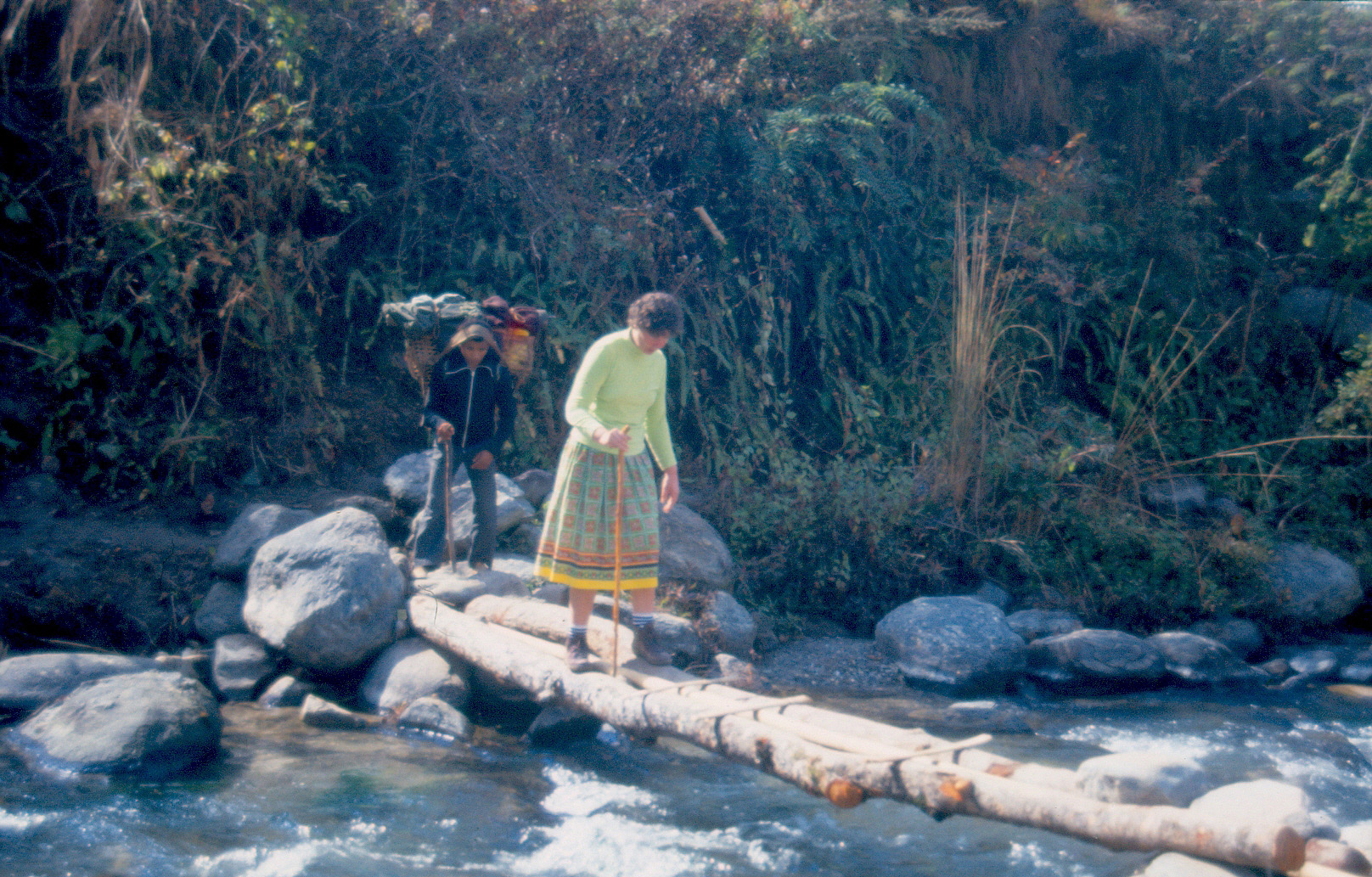
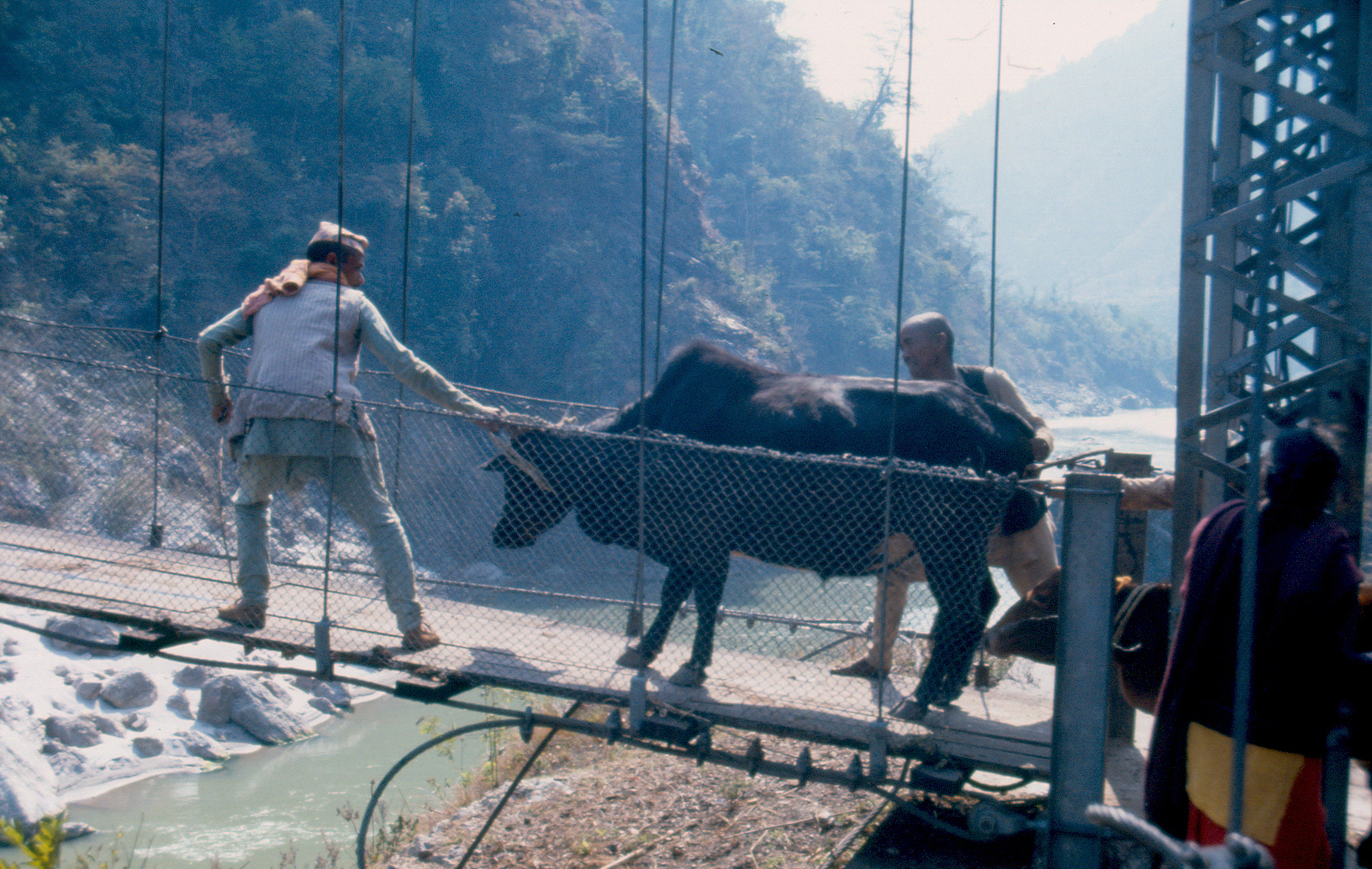
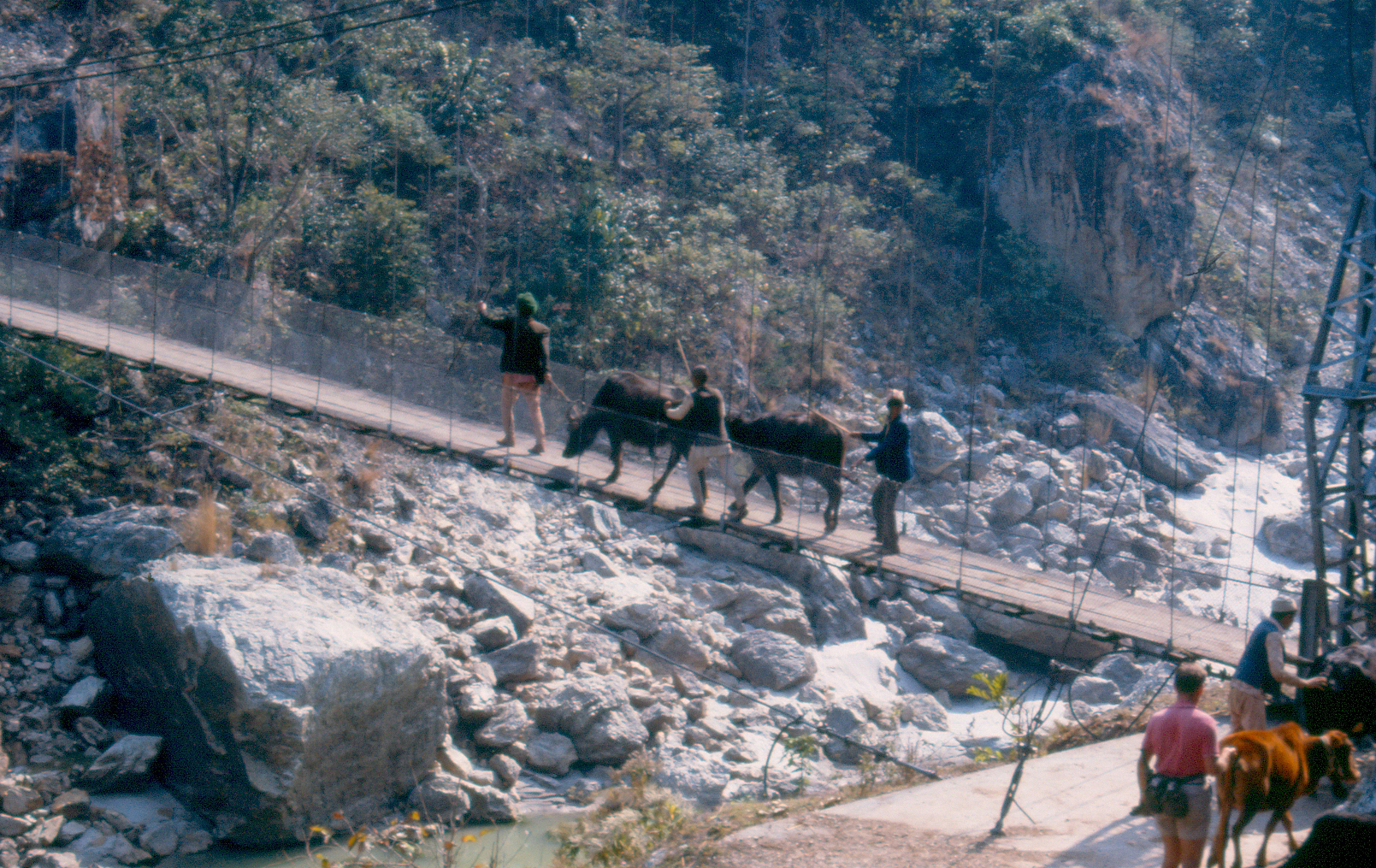
We met many people who were friendly towards us, crossed many swaying suspension bridges and forded several rivers. Our porters were excellent, cooking the food, preparing the camp sites, and striking camp the next morning while Richard, Mo and I headed off up the trail. The porters would soon catch us up.
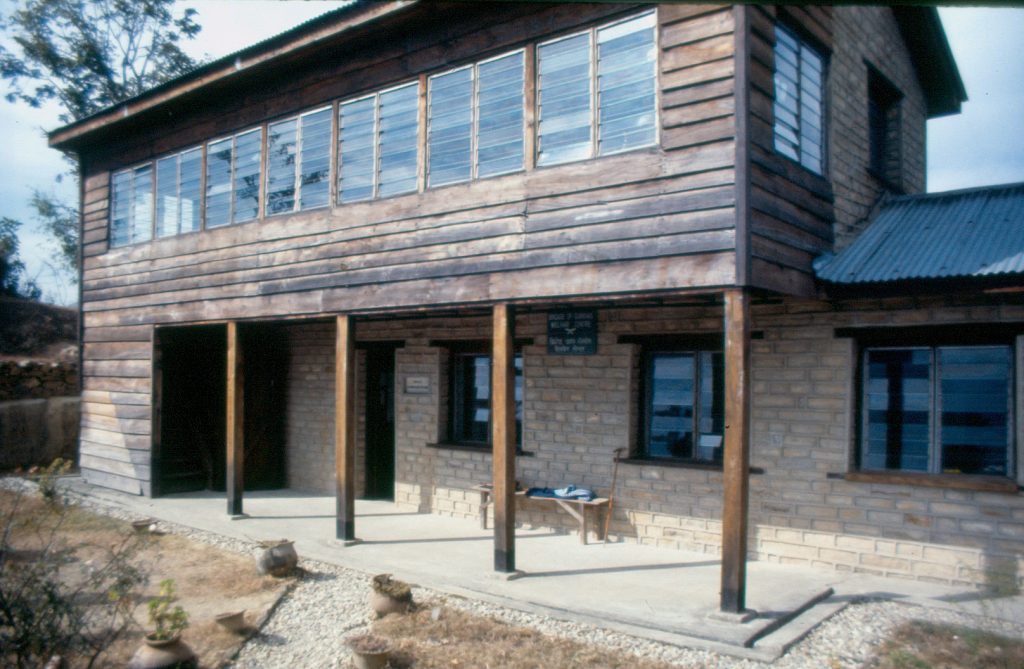
We were to visit three centres, Khotang, Diktel and Bhojpur, where Richard checked the accounts and I inspected the medical facilities. I listed my findings in a note book which I would turn into a report when the trek ended. There was nothing a few tweaks wouldn’t cure and thus make the medical part of the centre more efficient.
Khotang: The First Welfare Centre
After three days, we arrived at Khotang in mid-afternoon. I was in need of a shower, but as the previous year’s monsoon had failed, water was in short supply. The shower was a trickle of icy water, and Richard said to get wet and lather myself all over, while a porter filled a bucket from a stand pipe for me to rinse off. This I proceeded to do, and called for my porter that he should let me have the bucket. He threw open the shower door and hurled the contents of the bucket over me. I swear it was ice before it hit me!
Mo was more fortunate, in that, respecting her modesty, the porter tapped on the door to tell her the bucket was outside, and turned his back while Mo opened up and retrieved the bucket.
We stayed two nights at the centre, doing what we came to do, and when we came to leave the Welfare Officer who lived there told us the news that snow was expected on the trail, which we intended to use to reach our next destination at Diktel. He advised us to take a lower route which would add another day to our journey. We went off on the lower trail and by evening we reached a spot where we could see our higher route high above us. Through binoculars Richard reckoned there was at least a meter of snow.
Diktel and the High Pass
We were rained off one day, and spent a chilly night in a farmer’s house on the way to Diktel welfare centres. One of the porters had his basket emptied, the contents were shared out amongst the other five, and he was sent on to the village to purchase more supplies for the trek.
After spending a very cold night in the hayloft we woke next morning to a better day. The sun was rising and promised a warmer, drier day. We headed off down the hill, through a river and up the valley side towards Diktel, and our next welfare centre.
After inspecting the centre, we continued on to Bhojpur, reaching the highest point of our journey at just over 11,000 feet. From there we would be dropping down towards Bhojpur, finally arriving two days later.
Heading Home Through Tribeni
From Bhojpur we headed off towards home. After two days Richard, being keen to get in some fishing, went on ahead with a porter to Tribeni where he hoped to try and catch another fish. Tribeni marked the confluence of three great rivers, the Arun, the Sun Kosi and the Tamur, all of which are fed by the glaciers of the Himalayas.
Richard had been unsuccessful in his angling, so a fish supper was off the cards for the evening. One of the porters was sent to the local village to get some meat and beers, along with a couple of bottles of Roxi, a local spirit made from millet. While the porters and Richard had a supper of pork curry, Mo and I finished off the remaining tins of compo which would lighten the loads for the porters.
The Journey Home
After a refreshing bath in the Sun Kosi the next morning, Richard, Mo and I left, leaving the porters to strike camp. We crossed the Tamur river over the suspension bridge which sits 100 feet above the dry season level of the river. After about three hours walking we arrived at the end of a drivable track where our Land Rover and driver were waiting to take us and our porters back to the Cantonment.
I was both glad at the prospect of not having to walk anymore, and sorry that the wonderful experience of the previous fourteen days was over.
Looking Back on Fourteen Extraordinary Days
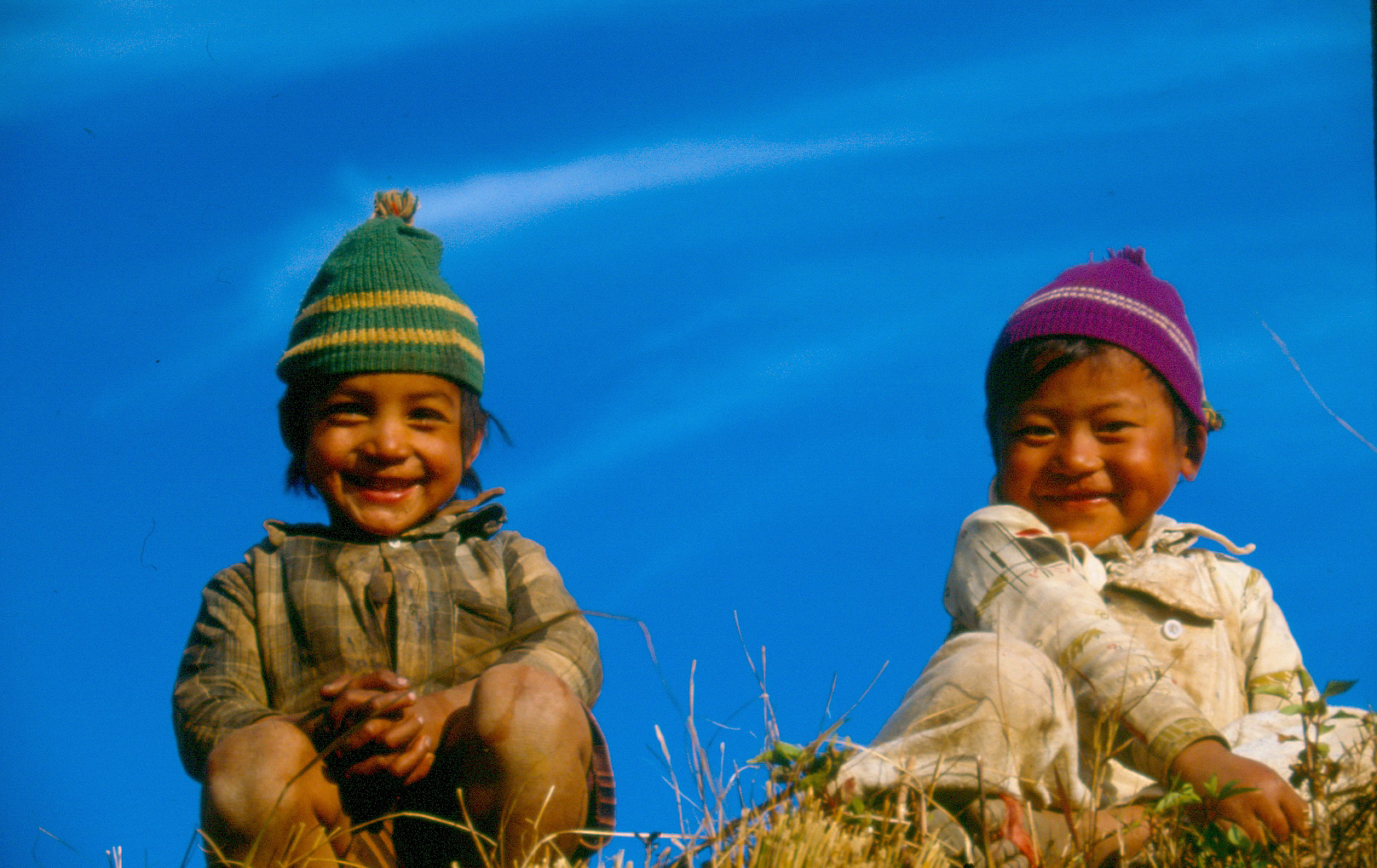
Despite the cold, the rain, the long, hard days of continual uphill walking, Mo and I had enjoyed the trek. The memory of these days will stay with me forever; the amazing people we met on the way and the beautiful scenery will never leave me.
Our porters had done us proud and not one of them had made the least complaint as they toiled away on the trek, often singing as they went along. The slow pace and the lightness of their loads may well have made the trip one of the easiest they had done for a while. Nevertheless, they had looked after us well, particularly towards Mo, helping her along the way when she found the going difficult. They had earned their bonuses in addition to their agreed wages.
Trevor’s Book: 21 Houses
Follow Trevor and his wife Mo as they navigate the challenges and wonders of life in military hospitals around the world. From the bustling streets of Hong Kong, Singapore, and Malaysia, to the tense atmosphere of Cyprus during the Turkish invasion, their path is always unpredictable. The story takes them to Nepal, where they spend two enriching years at the recruiting base for the Brigade of Gurkhas, then on through Germany, London, Southampton, and Aldershot. With each of their 21 relocations, readers experience the challenges and joys that come with constantly building a new home in different corners of the world.
21 Houses is available now via Amazon.