RAMC on the Somme: Faithful in Adversity on Britain's Bloodiest Day
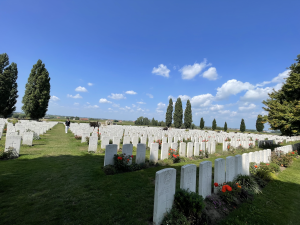
On 1 July 1916, the British Army suffered 57,470 casualties in a single day. Of those, 19,240 men were killed, making it the deadliest day in British military history. The men of the Royal Army Medical Corps did not retreat from that. They moved towards it.
A Morning That Changed Everything
At 7:30 a.m., whistles rang out across Allied lines near the River Somme. Thousands of men climbed out of their trenches and advanced towards German positions.
The week-long artillery bombardment was supposed to have destroyed German defences. It had not. Many shells were duds. The shrapnel rounds did little damage to concrete dugouts. When the barrage lifted, German machine gunners climbed out of intact shelters and opened fire.
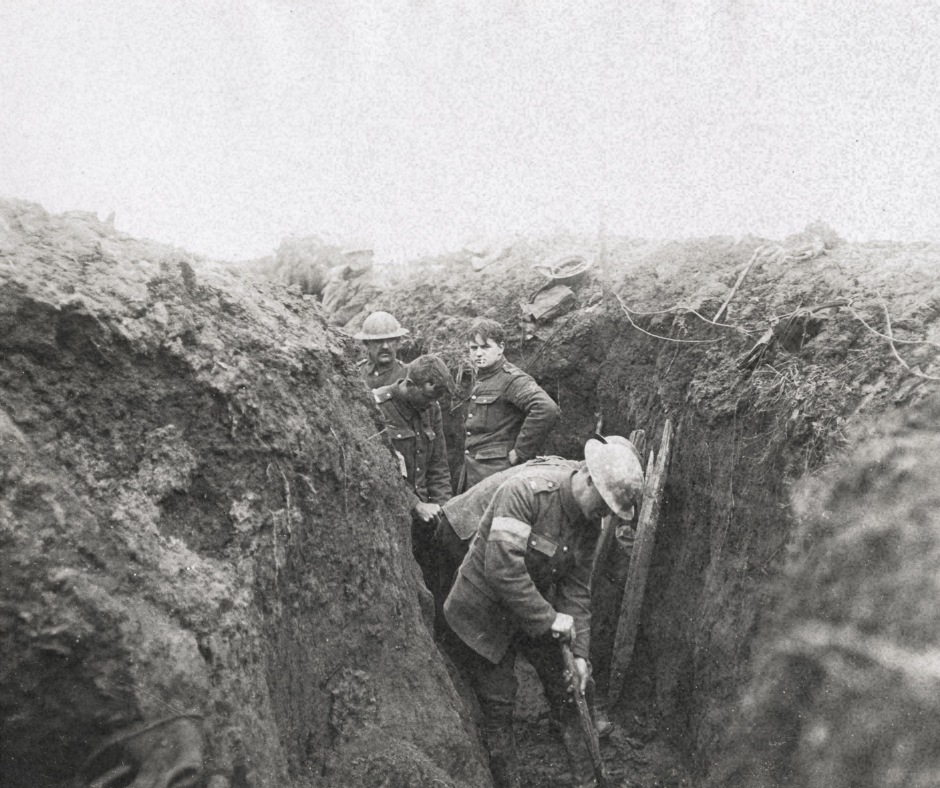
RAMC medical officers, orderlies, and stretcher-bearers faced what came next. Wounded men were scattered across no man’s land, slumped in shell holes, caught on wire. Reaching them meant crossing the same ground that had just killed thousands. Many RAMC personnel were shot doing exactly that.
The Scale of the Medical Task
A System Pushed Beyond Its Limits
Field ambulances and casualty clearing stations ran through the night. Medical staff dressed wounds in the open, in shell holes, and under fire. Supplies ran short. Rest was not an option.
There were more casualties on the first day of the Battle of the Somme than in the Crimean and Boer Wars combined. Nothing in living memory had prepared the RAMC for this.
The Corps had grown fast to meet the war’s demands, expanding from around 9,000 personnel at mobilisation to approximately 167,000 by 1918. The cost was severe. 743 officers and 6,130 other ranks of the RAMC died in the First World War. Most of them were trying to save someone else
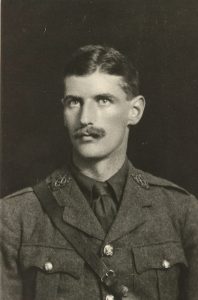
Captain John Leslie Green VC
He Went Into No Man’s Land Wounded, and Did Not Come Back
Captain John Leslie Green was a doctor. He served with the Royal Army Medical Corps, attached to the Sherwood Foresters near Foncquevillers, France. On the morning of 1 July 1916, he was already wounded when he spotted another officer in trouble.
Captain Frank Robinson had been shot and was tangled in German barbed wire. Green reached him under heavy machine gun fire, cut him free, dragged him to a shell hole, and dressed his wounds. Bombs and rifle grenades were being thrown at them throughout.
Green then carried Robinson back towards British lines. Robinson was hit again during the attempt. Green was shot in the head and killed before he could get him to safety.
Robinson died in hospital two days later.
The Citation and the Cross
The London Gazette published the official citation on 4 August 1916. It recorded that Green went to the assistance of an officer hung up on the enemy’s wire entanglements, dragged him to a shell hole where he dressed his wounds, with bombs and rifle grenades being thrown at him the whole time, and was killed while endeavouring to bring the wounded officer into safe cover.
He received a posthumous Victoria Cross. King George V presented it to his widow, Edith Mary, on 7 October 1916.
Green was 27.
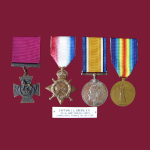
Images courtesy of the Board of Trustees of The Museum of Military Medicine Trust
What the RAMC on the Somme Tells Us
RAMC personnel on 1 July 1916 were not in the first wave. They came after. They went into the same ground, faced the same fire, and did it without a weapon in their hands.
The chain of evacuation they maintained, from regimental aid post to casualty clearing station to base hospital, was built and held under conditions that should have broken it. It did not break.
There were 57,000 casualties on 1 July 1916. A very high percentage of those who died were killed in the first 30 minutes. The men who kept working through the rest of that day, and through the night, did so knowing the scale of what surrounded them.
That is what In Arduis Fidelis looks like. Not as a motto on a badge. As a choice, made under fire, on the worst day in British military history.
Lest we forget.