RAMC on D-Day: The Medics Who Went in First
Before the infantry assault waves hit the beaches, the Royal Army Medical Corps was already on the ground in France.
On the 6th June 1944 RAMC, medics dropped into occupied France in darkness. They set up dressing stations under fire and treated the wounded as the battle raged around them. This is their story, and it deserves to be told.
They Dropped Before Dawn
In the early hours of D-Day, RAMC parachute field ambulances jumped into Normandy alongside the 6th Airborne Division. 224 Parachute Field Ambulance landed near Varaville after 01:00. They fell into flooded marshland. Many were immediately separated from their units. Chaos greeted them from the first minute.
Despite losing two-thirds of their strength in those first hours, they regrouped in the dark. By morning, they had established a Main Dressing Station in a barn. Within their first two weeks in Normandy alone, the unit:
- Admitted 822 casualties
- Performed 112 operations
- All of it under enemy fire
That is not a footnote to D-Day. That is D-Day.
On the Beaches: Every Craft, Every Casualty
Meanwhile, the sea assault was already beginning. Every landing craft carried at least one RAMC orderly. Seventy landing craft had been converted into water ambulances. Each one could carry hundreds of wounded men back across the Channel.
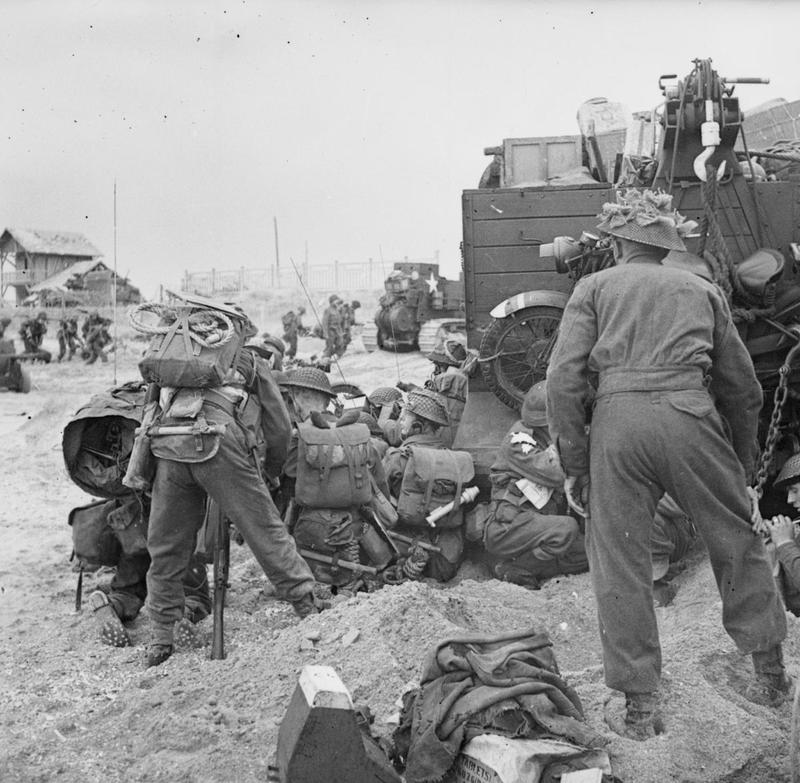
Dressing stations appeared on the beaches as men fell. Surgical teams operated in the open. They treated casualties before evacuation was even possible. There was no shelter. There was no pause.
They Carried No Weapons
RAMC medics were unarmed. They wore a Red Cross armband. That was their only protection. They went forward anyway, straight into the fire, straight to the men who needed them.
This is what “In Arduis Fidelis” means. Faithful in adversity.
Medical Firsts That Changed Warfare
The Normandy campaign was not just a military turning point. It was a medical one. For the first time, penicillin was used on a large scale in a combat theatre. Blood transfusion units worked directly on the beaches.
The evacuation chain the RAMC built was a system forged from four years of hard-won experience:
- Regimental Aid Post — immediate battlefield treatment
- Field Ambulance — stabilisation and triage
- Casualty Clearing Station — surgical intervention
- Hospital Ship — evacuation across the Channel
- UK Hospital — definitive care
Every link in that chain saved lives. Every link depended on RAMC personnel doing their job under fire.
The Numbers That Must Not Be Forgotten
By the end of the Normandy campaign, the 6th Airborne Division’s three RAMC field ambulances had treated 6,722 casualties between them.
These are not statistics. They are 6,722 people who came home.
Why This Matters Today
The RAMC Association exists to honour this legacy and to support those who have carried it forward. From D-Day to the present, the Corps has served with skill, courage, and quiet dedication that rarely makes the headlines.
Today, we remember the men who went in first.